Caquis Persimon: A Guide to Spain’s Unique, Sweet, and Nutritious Persimmon Fruit
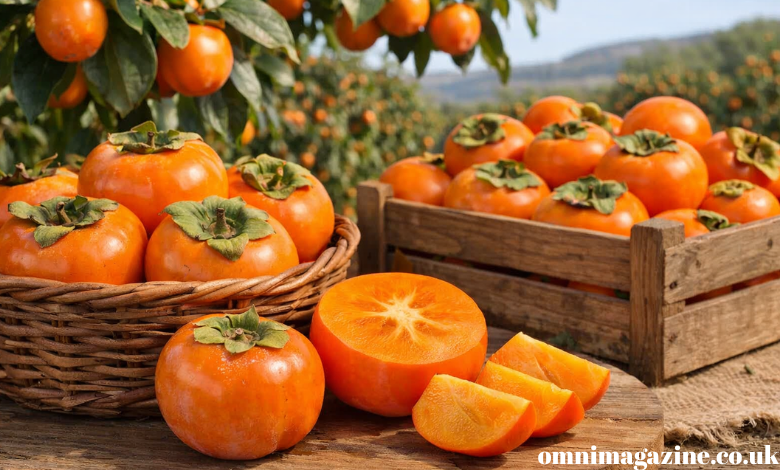
Caquis persimon, often referred to as the “Spanish persimmon,” is a remarkable fruit that has been cherished for centuries, particularly in East Asia. However, it was Spain’s Mediterranean climate and fertile soils that allowed this fruit to evolve and thrive into what we now recognize as a distinct variety: the caquis persimon. The fruit, which comes from the persimmon tree (Diospyros kaki), has gained immense popularity in Europe and across the globe for its sweet flavor, pleasant texture, and vibrant orange hue. Unlike many traditional persimmons, caquis persimon can be consumed while still firm, making it more versatile and appealing to a wider consumer base.
Historical Roots and Global Expansion
The origins of caquis persimon trace back to East Asia, where the persimmon tree has been cultivated for centuries. In countries such as China, Japan, and Korea, the persimmon has been a staple in both culinary and medicinal traditions. While the fruit was highly regarded in these regions, it was in Spain that the caquis persimon took on a unique identity and distinction, particularly in the Ribera del Xúquer region, located in the Valencian Community.
Spain’s ideal climate, characterized by mild winters and hot summers, proved to be the perfect environment for growing high-quality persimmons. The abundant sunlight, fertile soils, and optimal temperatures in this region allowed the fruit to mature to its full potential. Over time, Spain became one of the leading producers of caquis persimon, particularly after the fruit’s introduction in the 19th century. Today, Spain exports the fruit to numerous countries across Europe and beyond, solidifying its status as a premium fruit in international markets.
Characteristics of Caquis Persimon
One of the defining characteristics of caquis persimon is its ability to be enjoyed while still firm. Traditional persimmons, which are often eaten when they are soft and almost mushy, can be difficult to consume for some individuals due to their astringency. Caquis persimon, on the other hand, can be eaten at various stages of ripeness, making it much more accessible to a broader audience. The fruit is often described as having a sweet, honey-like flavor with a slightly tangy aftertaste. Its flesh is smooth, making it an excellent addition to salads, desserts, and savory dishes.
The appearance of the caquis persimon is striking, with its deep orange color and smooth, round shape. The fruit’s skin is thin and non-astringent, contributing to its pleasant eating experience. When sliced, the fruit reveals a rich amber hue that is as visually appealing as it is flavorful. Its texture is firm yet juicy, offering a satisfying bite. This combination of sweetness, texture, and color has made caquis persimon a popular choice for both culinary enthusiasts and casual fruit lovers alike.
Growing Regions and Climate Conditions
The Ribera del Xúquer region in the Valencian Community is the heart of caquis persimon production in Spain. This region’s ideal climate conditions, along with the fertile soils, create a perfect environment for growing high-quality fruit. The area benefits from mild winters and hot summers, providing the necessary warmth and sunlight for the persimmons to ripen to perfection.
The soil in the Ribera del Xúquer is rich in minerals, allowing the persimmon trees to grow strong and healthy. The region’s proximity to the Xúquer River ensures that the trees receive the right amount of water, while the prevailing winds from the Mediterranean help regulate the climate, preventing extreme fluctuations in temperature. These factors combined contribute to the superior quality of caquis persimon grown in this region.
The Valencian Community has long been a hub for agricultural innovation, and the cultivation of caquis persimon is no exception. Farmers in the region employ sustainable farming practices to ensure the fruit’s quality and traceability. This commitment to quality has earned caquis persimon its prestigious designation of origin status. The Denomination of Origin (DO) label guarantees that the fruit meets strict production standards, ensuring its authenticity and premium quality.
The Importance of Designation of Origin (DO)
Caquis persimon’s designation of origin status has played a pivotal role in its success, both in Spain and internationally. This certification protects the fruit’s reputation and ensures that only persimmons grown in the designated regions of the Ribera del Xúquer can bear the name “caquis persimon.” The DO certification serves as a guarantee of quality, traceability, and adherence to specific production standards. It also provides consumers with confidence that they are purchasing a premium product that has been carefully cultivated and harvested under strict regulations.
The DO label helps to differentiate caquis persimon from other varieties of persimmons on the market, emphasizing its superior taste, texture, and appearance. This protection has also contributed to the fruit’s growing popularity, as consumers recognize the value and authenticity of the product. As a result, caquis persimon has become synonymous with quality, and its recognition continues to expand across Europe and beyond.
Nutritional Benefits of Caquis Persimon
In addition to its delightful flavor and texture, caquis persimon is a highly nutritious fruit. It is rich in vitamins and minerals, making it a healthy addition to any diet. One of the primary nutrients found in caquis persimon is vitamin C, which is essential for maintaining a healthy immune system. The fruit also contains a significant amount of dietary fiber, which aids in digestion and promotes overall gut health.
Caquis persimon is an excellent source of antioxidants, particularly beta-carotene, which gives the fruit its vibrant orange color. Antioxidants play a crucial role in neutralizing free radicals in the body, helping to reduce the risk of chronic diseases such as heart disease and cancer. The fruit also contains minerals such as potassium, which is important for maintaining healthy blood pressure, and manganese, which is essential for bone health and metabolism.
The natural sugars in caquis persimon, particularly fructose, provide a quick source of energy without causing spikes in blood sugar levels. This makes it an ideal fruit for individuals seeking a healthy and natural way to satisfy their sweet cravings.
Culinary Uses of Caquis Persimon
Caquis persimon is a versatile fruit that can be enjoyed in a variety of culinary applications. Its sweet flavor and smooth texture make it an ideal addition to both sweet and savory dishes. One of the most popular ways to enjoy caquis persimon is by slicing it and adding it to salads. Its natural sweetness pairs well with greens, nuts, and cheese, creating a refreshing and flavorful salad option.
The fruit can also be used in desserts, such as tarts, pies, and cakes. Its vibrant color makes it an attractive topping for baked goods, while its sweetness complements other fruits like apples, pears, and citrus. For a simple yet delicious treat, caquis persimon can be enjoyed fresh, either on its own or with a drizzle of honey or a sprinkle of cinnamon.
In savory dishes, caquis persimon can be paired with meats such as chicken or pork, where its sweetness balances out the richness of the meat. It can also be used to create chutneys or sauces, adding a unique flavor profile to a variety of dishes. The fruit’s versatility in the kitchen makes it a popular choice for chefs and home cooks alike.
Global Recognition and Market Expansion
Over the past few decades, caquis persimon has gained strong recognition in European markets, with growing demand for the fruit in countries such as France, Germany, and the United Kingdom. The fruit’s unique attributes—its firm texture, vibrant color, and sweet flavor—have contributed to its appeal in both fresh and processed forms.
Spain’s leadership in the cultivation and export of caquis persimon has solidified the fruit’s status as a premium product. The fruit is not only sold fresh but is also used in a variety of processed products, including juices, jams, and dried fruit. As the global demand for healthy and natural products continues to rise, caquis persimon is well-positioned to expand its presence in international markets.
Conclusion
Caquis persimon is a unique and exceptional fruit that has earned its place as a prized delicacy in markets around the world. From its rich history in East Asia to its modern-day prominence in Spain, caquis persimon has evolved into a symbol of quality, flavor, and versatility. With its firm texture, vibrant color, and sweet taste, it has become a popular choice for consumers seeking a healthy and delicious fruit. The fruit’s designation of origin status ensures that it continues to meet the highest standards of quality, while its growing recognition in European markets and beyond indicates a bright future for this remarkable fruit. Whether enjoyed fresh, in salads, or as part of a dessert, caquis persimon is a fruit that deserves to be savored and celebrated.

Post Comment